Why I Wrote Retirement: It’s Emotional
Since I began advising in 2003, I’ve had many conversations that start with a simple question: “Can I afford to retire?”
As we talk, other concerns often emerge. Someone might be unsure how they would fill their days, worry about losing the status their job gives them, or struggle to imagine life without the routine of work.
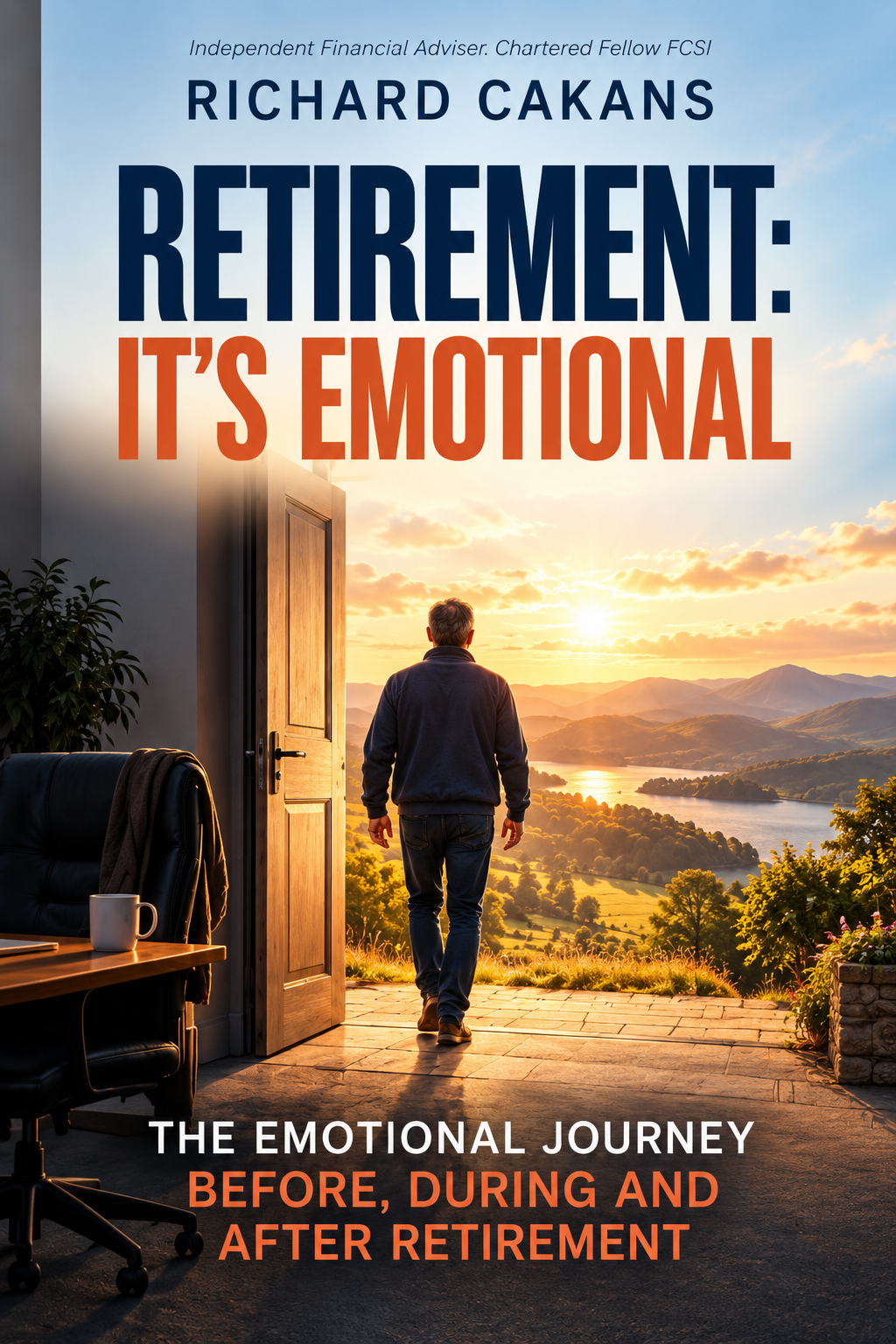
Those conversations are what inspired me to write Retirement: It’s Emotional.
Giving the feelings some attention
My first book, Retirement: It’s Personal, explored how money, emotions and lifestyle need to work together. I wanted to give the emotional side more space, looking at the feelings that can arise before retirement, during the transition and in the years afterwards.
Having a financial plan can answer important questions about affordability. Feeling comfortable with the change can take a little longer.
One example is the shift from saving to spending. After years of carefully building your pension and savings, drawing on that money can feel uncomfortable, even when your plan allows for it. In the book, I describe this as the “income pivot”. The habits that helped you save do not simply disappear when you finish work.
There are other adjustments too: finding a new rhythm to the week, spending more time with a partner, and discovering what gives you a sense of purpose when work no longer fills that role.
You do not need every answer straight away
I hope the book helps readers recognise their own feelings and find it easier to talk about them.
You can look forward to retirement and still have doubts. You can enjoy the freedom and miss parts of working life. Giving yourself time to adjust is a reasonable response to a significant change.
My message remains the same: retirement is a decision, not an age. Understanding how you feel deserves a place alongside planning how you will pay for it.