Am I Ready to Retire? The Key Checks to Make Prior to Retirement

If you’ve found yourself Googling “Am I ready to retire?”, you’re not alone.
Most people don’t ask that question because they love spreadsheets. They ask it because retirement is getting real—and the decision starts to feel bigger than the numbers.
Here’s the point most retirement content misses:
Retirement readiness is rarely one question in isolation.
It’s usually a combination of money, emotions and lifestyle—interacting all at once.
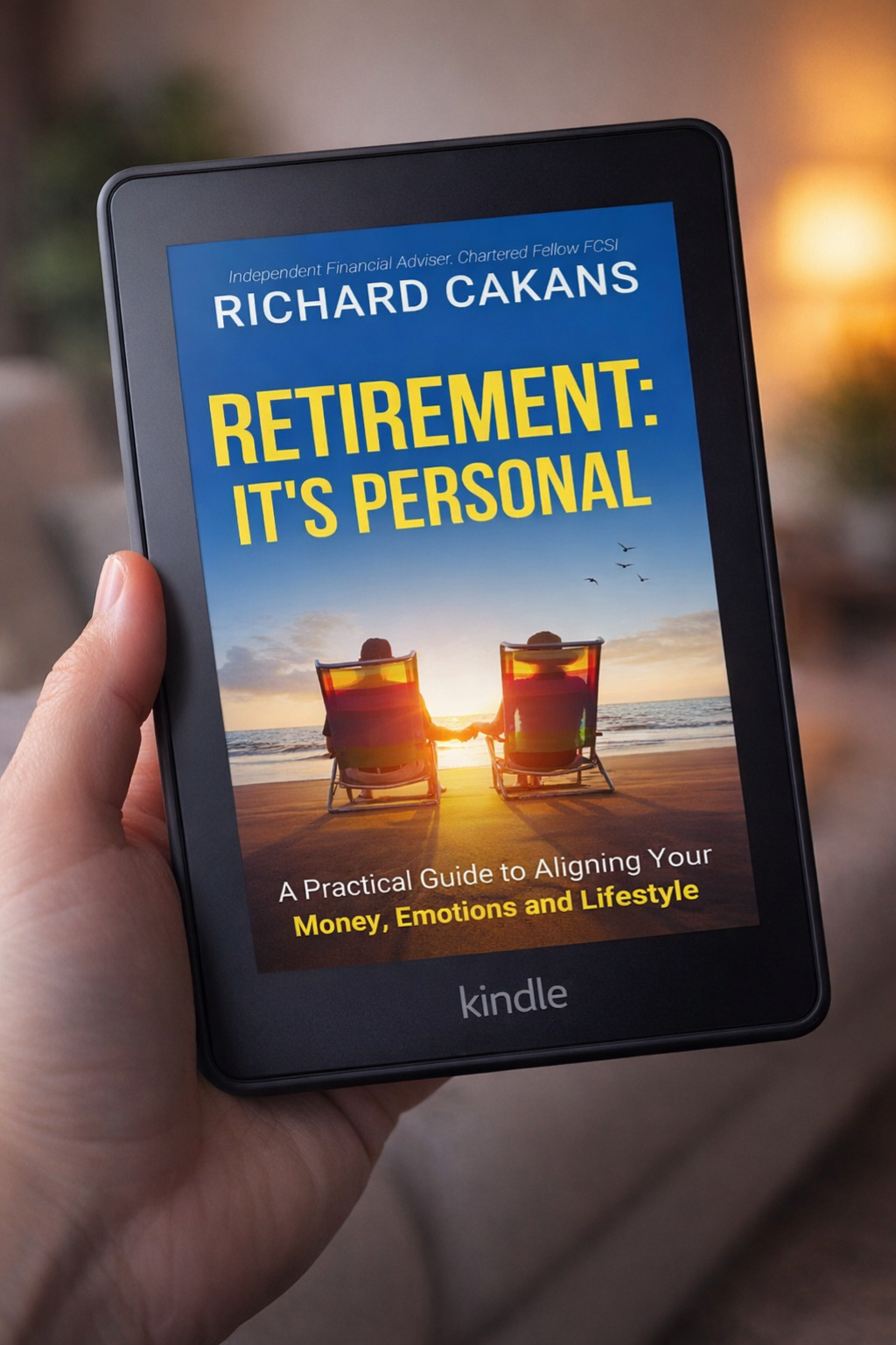
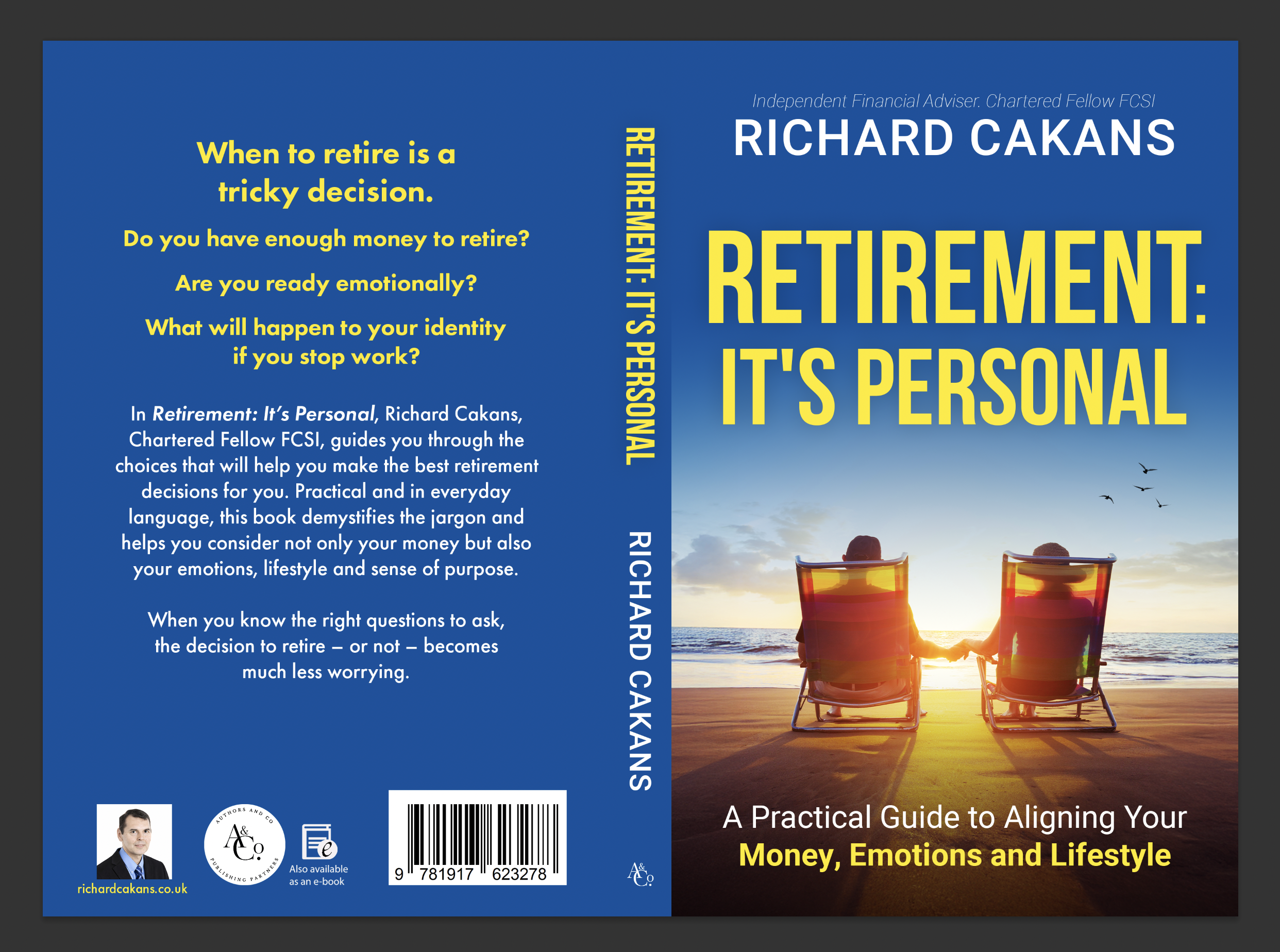
That is exactly why my book is called Retirement: It’s Personal (launching 26 February 2026). Because the retirement decision becomes personal long before it becomes purely technical.
This post won’t try to cover everything. Instead, it gives you the key checks that bring clarity and highlights what to focus on next.
(If you want the broader framing, you may also like “12 Questions to Ask Before You Retire” – internal link.)
What “ready” actually means (in plain English)
Being “ready” doesn’t mean you’ve predicted life perfectly.
It means:
-
you understand your options,
-
you’ve reduced uncertainty,
-
and you can explain to yourself (and your partner, if relevant) why the decision makes sense.
A strong retirement plan is less about perfect forecasting and more about building a plan that holds up in real life.
The Three-Point Readiness Check: Money, Emotions, Lifestyle
1) Money checks: do the foundations actually stack up?
You do not need a 400-page plan to get clarity. But you do need to know these fundamentals:
A) Have you clarified your real spending?
Most retirement anxiety comes from unclear spending, not lack of wealth.
At this stage, you’re aiming for:
-
a realistic baseline (not optimistic),
-
awareness of one-offs,
-
and a sensible buffer.
You do not need it perfect. You just need it honest.
B) Do you know what income you’ll have—and when it starts?
A lot of “I think I can retire” plans fall over on timing:
-
State Pension start date
-
Pension access dates
-
Any part-time income
-
Any bridging period
If you’re not sure how the pieces line up yet, that uncertainty alone can create worry—even if you’re fine on paper.
C) Have you pressure-tested the plan?
This is the difference between “hope” and “confidence”.
Pressure-testing means asking:
-
what if costs rise?
-
what if markets fall early on?
-
what if you live longer than expected?
-
what if you need care or help family?
You’re not trying to predict disaster. You’re trying to prove the plan is resilient.
2) Emotions checks: are you retiring with confidence or just escaping work?
This is the part most people underestimate.
A) Can you name what you’re worried about?
Vague worry is powerful. Specific worry is solvable.
If you can’t name the fear, it will sit in the background and undermine your decision.
A simple prompt:
-
“What I’m afraid will happen is…”
-
“What I’d need in place to feel safe is…”
B) Are you retiring to something, not just from something?
Retirement tends to feel better when it’s moving toward:
-
freedom with structure
-
health and energy
-
relationships
-
interests and purpose
If your plan is mainly “I’ll stop and then figure it out,” you can still do it—but many people find the emotional adjustment harder than they expected.
C) Have you considered the identity shift?
Work gives people identity without them noticing. Retirement removes that label quickly.
A useful question is:
“What parts of me do I want to keep using?”
That often points to purpose, contribution, and fulfilment.
3) Lifestyle checks: can you picture your weeks?
Retirement is lived in ordinary weeks, not in the abstract idea of “freedom”.
A) Can you describe a “good week” in retirement?
Not a fantasy week—an achievable one.
Include:
-
movement / health
-
people / connection
-
something that feels meaningful
-
proper downtime
-
light structure (even if you don’t like the idea of routines)
If you cannot picture your week at all, the retirement decision tends to feel shaky.
B) If you’re a couple: have you aligned expectations?
This is one of the biggest causes of retirement friction.
Two people can both want a great retirement and still clash if they haven’t discussed:
-
together time vs personal space
-
routines
-
spending priorities
-
travel expectations
-
retirement timing
If you want the “behind the scenes” reason I emphasise this, see “Why I wrote the book”
What this post does not do (and why the book exists)
This post is designed to help you spot what matters. It is not intended to walk you through full implementation.
The book goes further by giving you:
-
a clear method to align money, emotions and lifestyle
-
the practical prompts and exercises to reduce uncertainty
-
the “how” behind the most common sticking points (timing, couples alignment, confidence, purpose)
-
deeper guidance you can work through step-by-step rather than guessing
If this post has made you think “Yes, that’s me,” then you’re exactly who I wrote the book for
For most people, it’s personal—because it affects your confidence, your identity, your relationships, and what you want your days to look like.
That’s why the book is called Retirement: It’s Personal, launching 26 February 2026.
If you’d like launch updates and the tools I’m releasing around launch week, join the email list below
Note: This post is educational and general in nature. It is not personal financial advice.
Thank you for subscribing!